The Solitary Rite
Easter rites during COVID-19 time
Date:2020Location:Bologna (Italy)
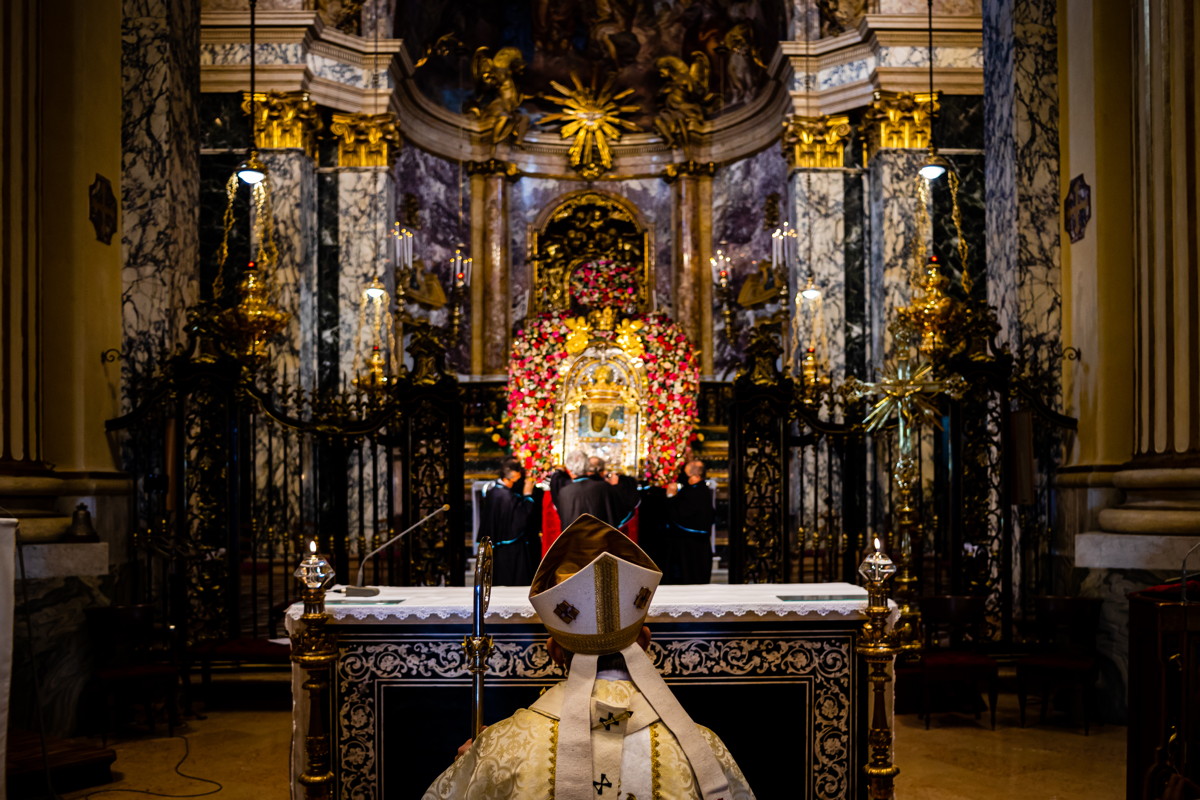
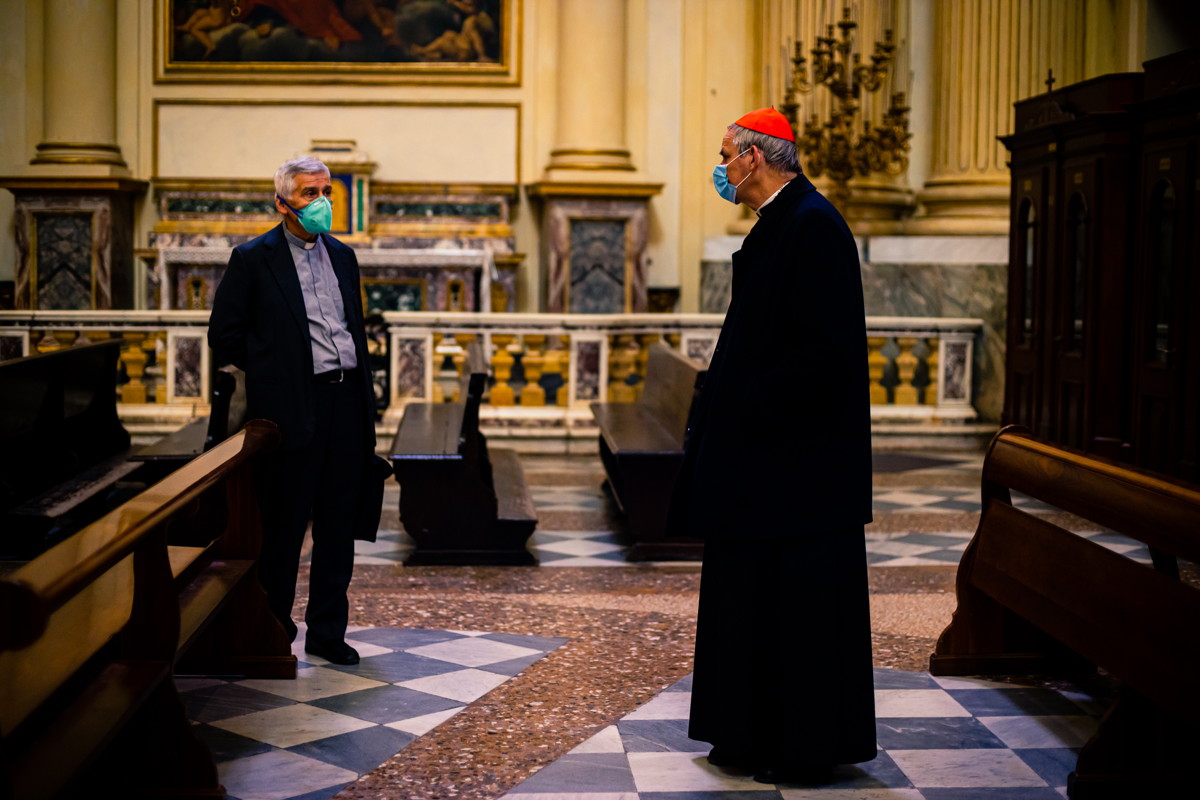
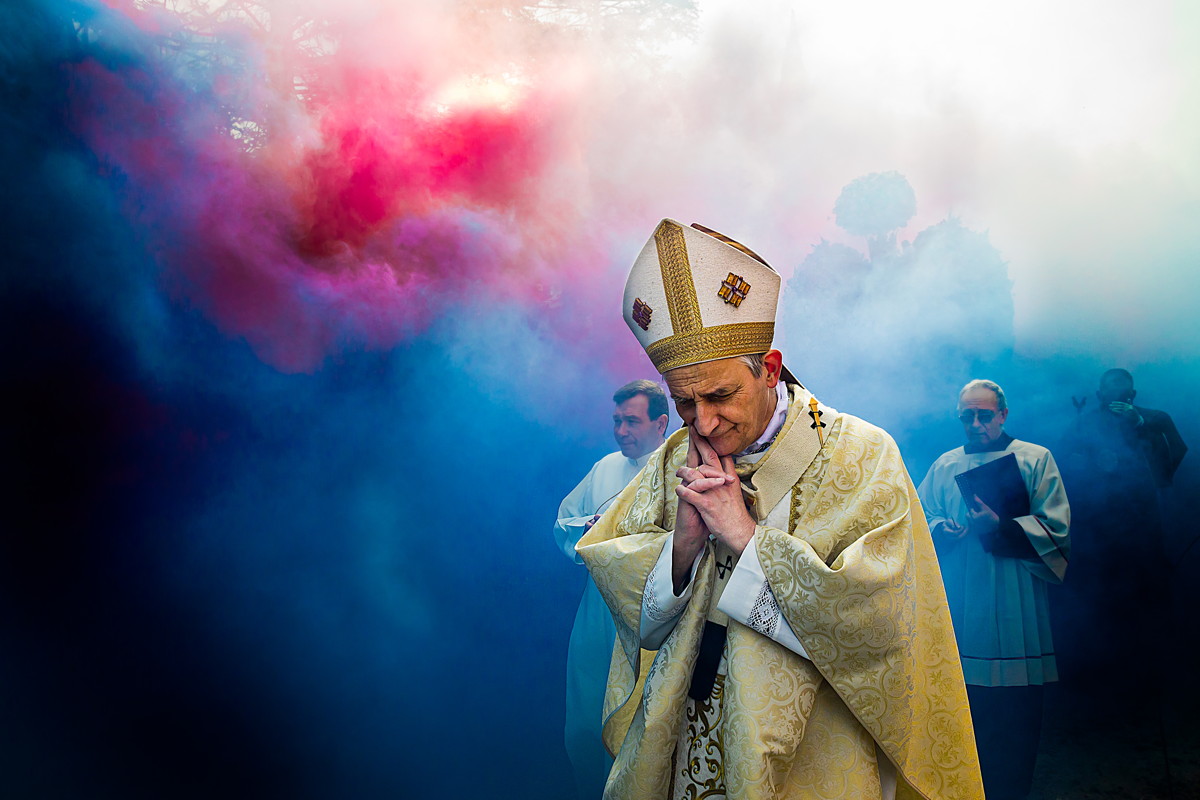
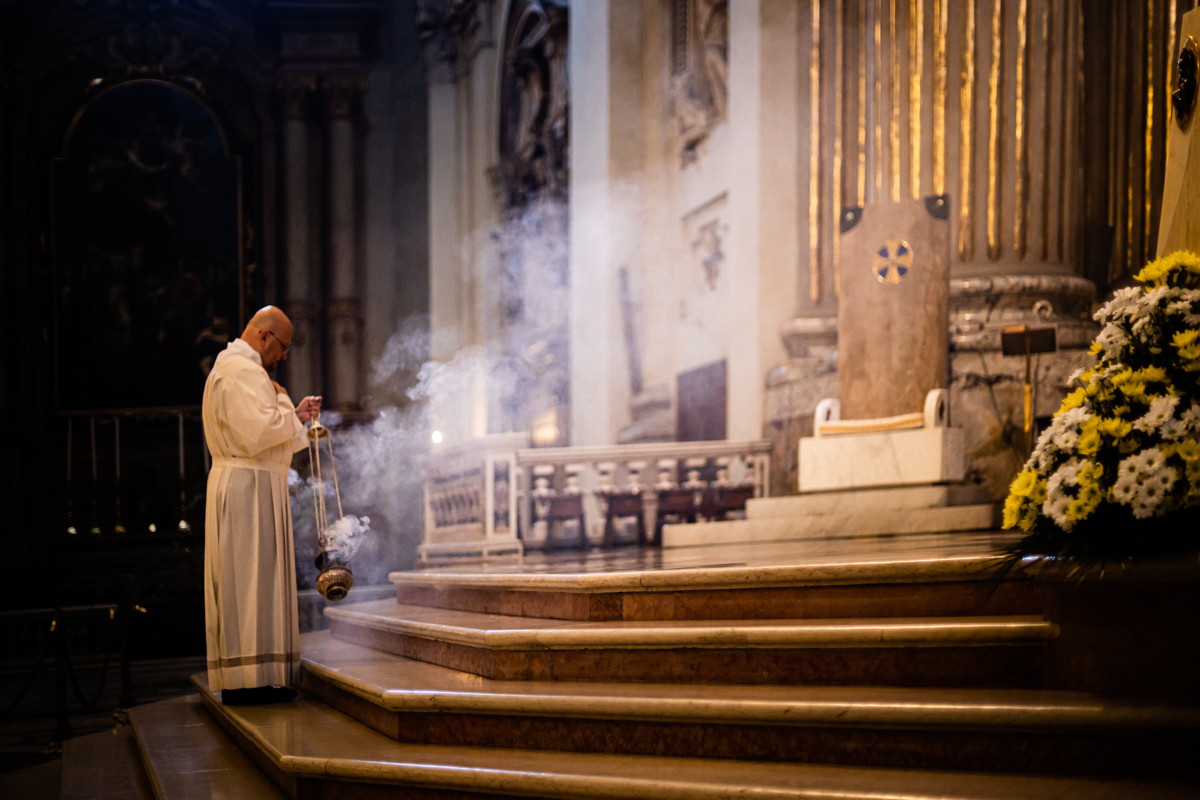
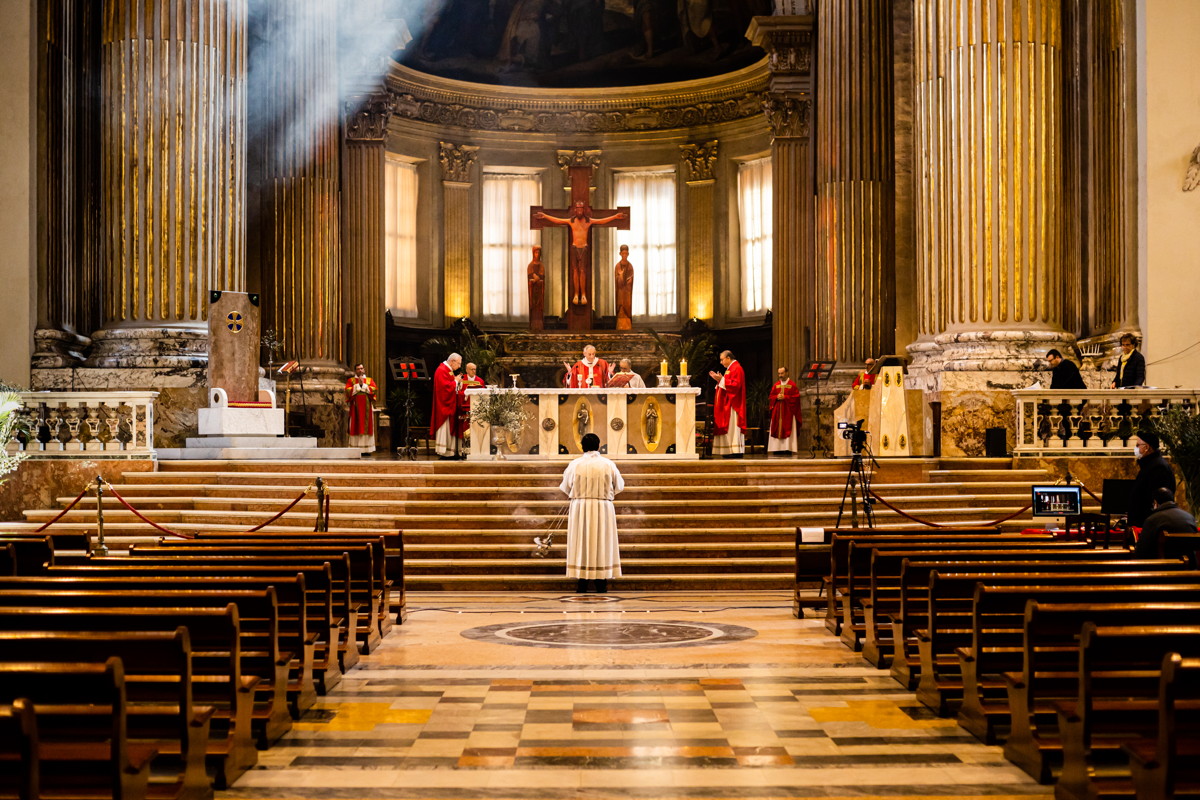
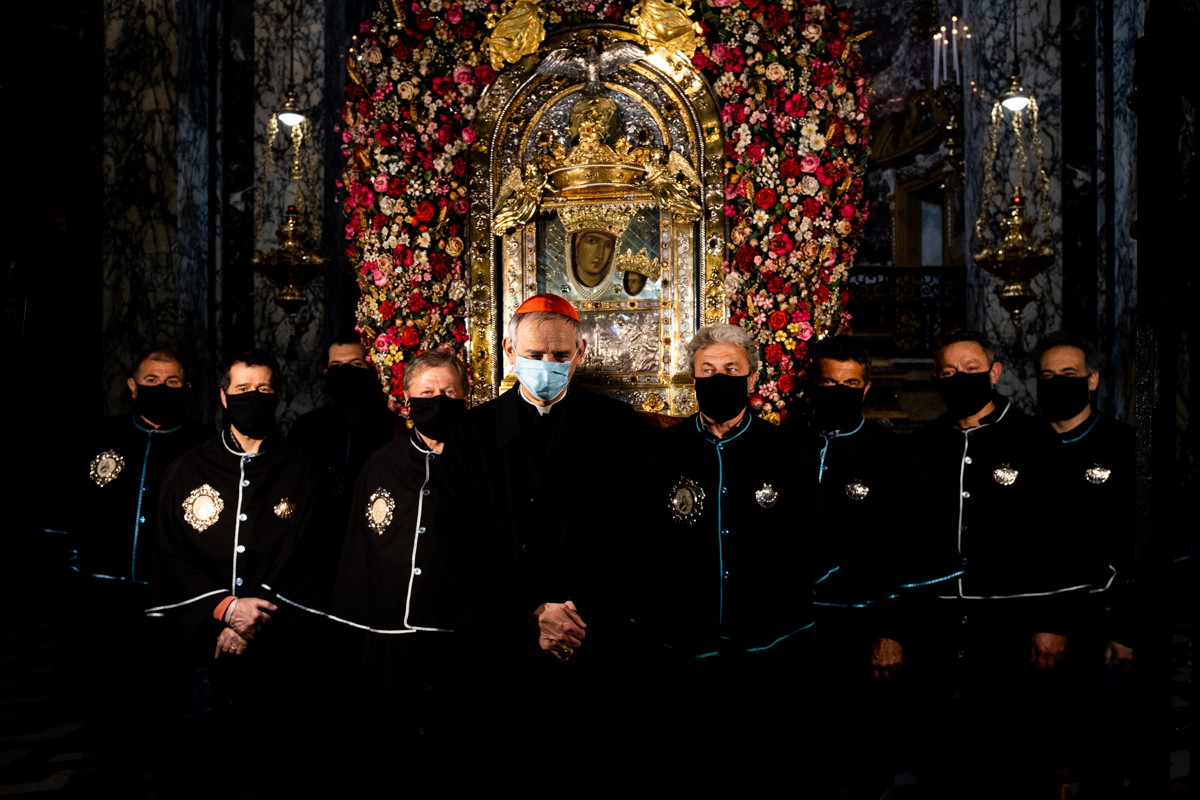
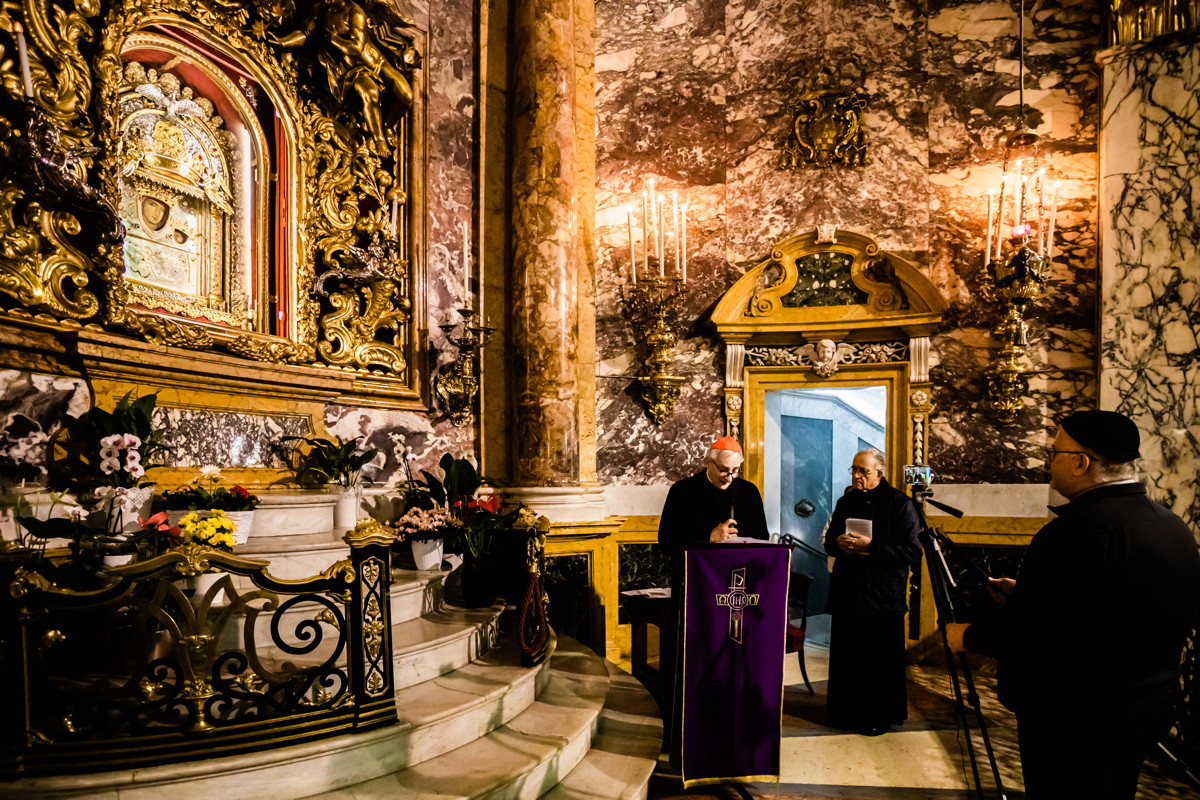
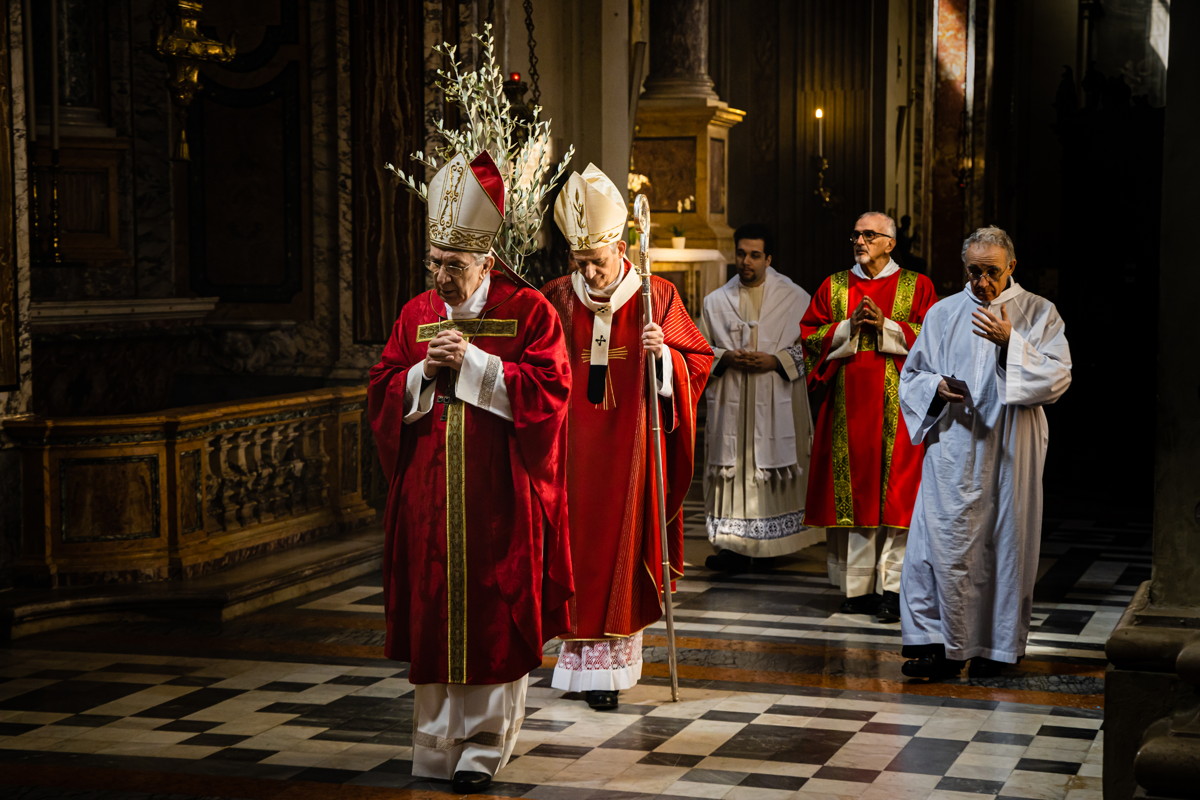
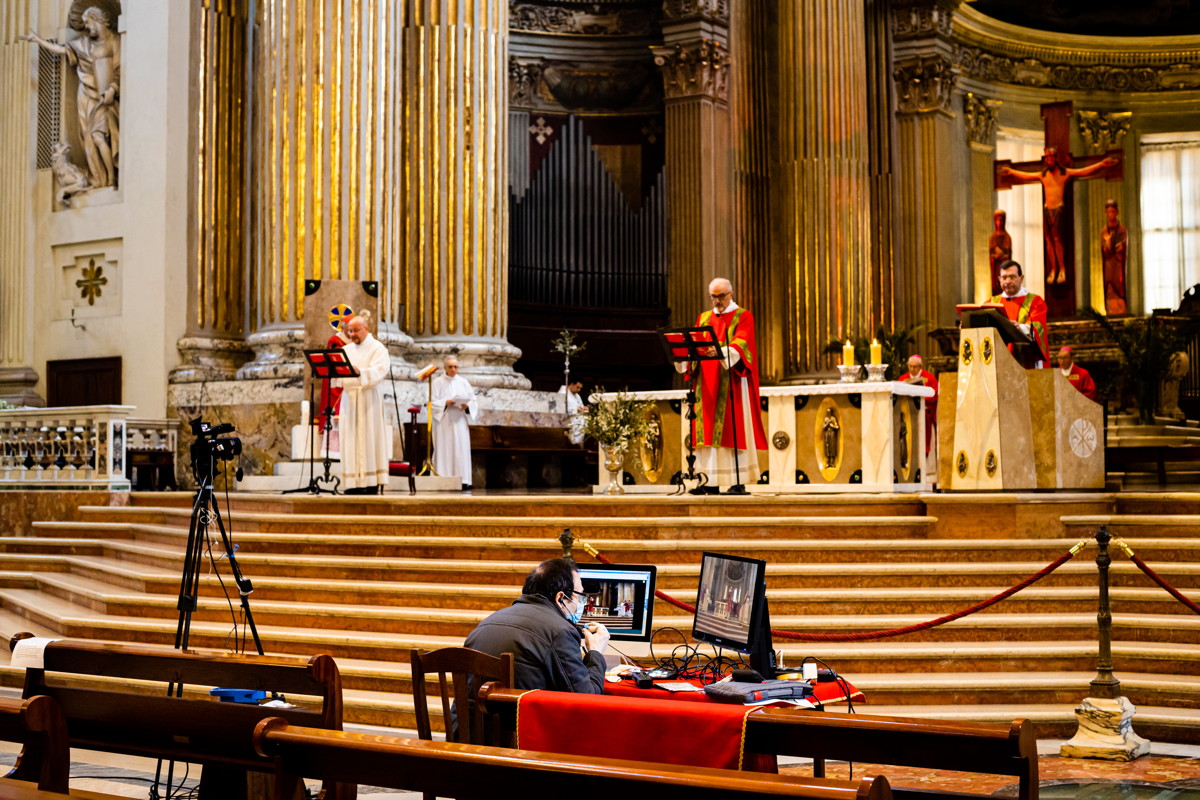
Easter lockdown Bologna, April 2020: the Archbishop, Cardinal Matteo Maria Zuppi, presides over the solemn Easter liturgies inside the Cattedrale di San Pietro in the total absence of the faithful, under the public-gathering ban imposed by the Italian government's decree to contain the Covid-19 epidemiological emergency.
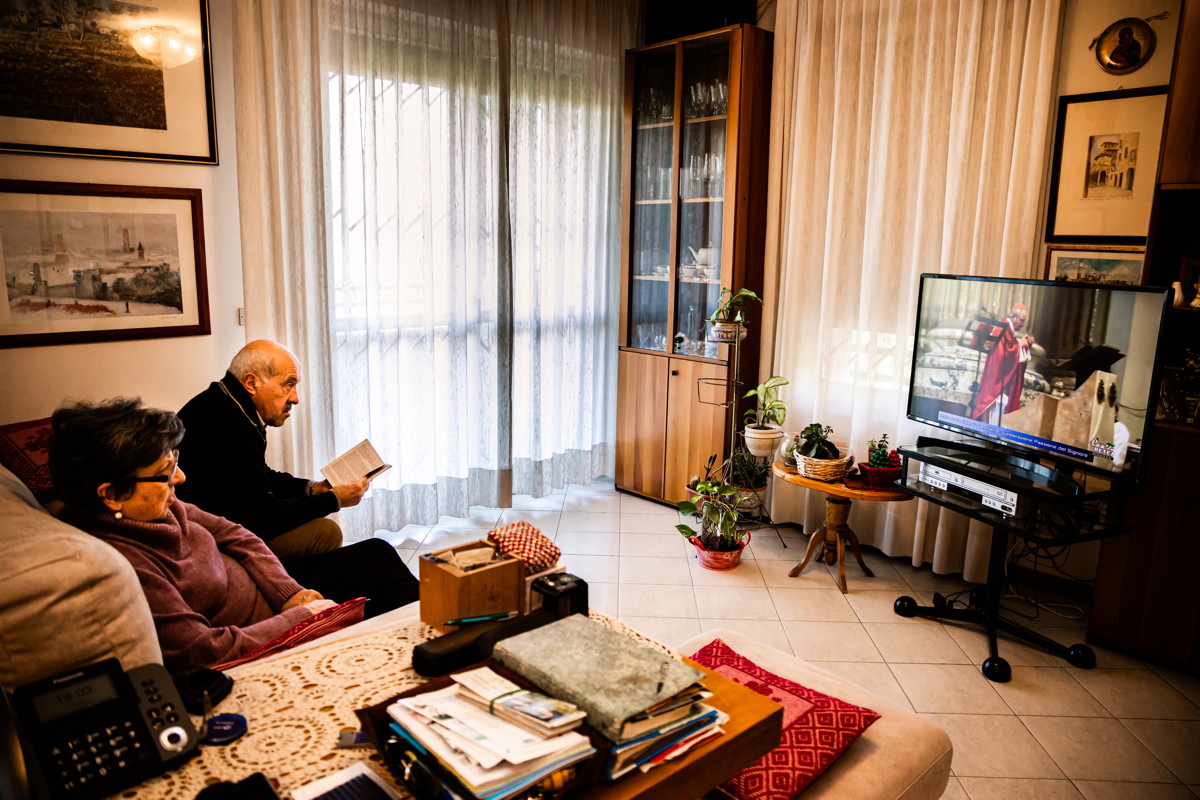
Easter, which for the Catholic Church represents the theological and liturgical fulcrum of the entire year, experiences a radical redefinition of its spaces and modes of public participation: access to places of worship is barred, prompting the diocese to systematically adopt streaming technologies to mediate spiritual contact with the community isolated in their homes.
Cardinal Zuppi—appointed archbishop of the city in 2015 and elevated to the cardinalate by Pope Francis in the consistory of 2019, making him one of the youngest members of the College of Cardinals and an elector in future conclaves—responds to the institutional crisis by introducing extraordinary protocols.
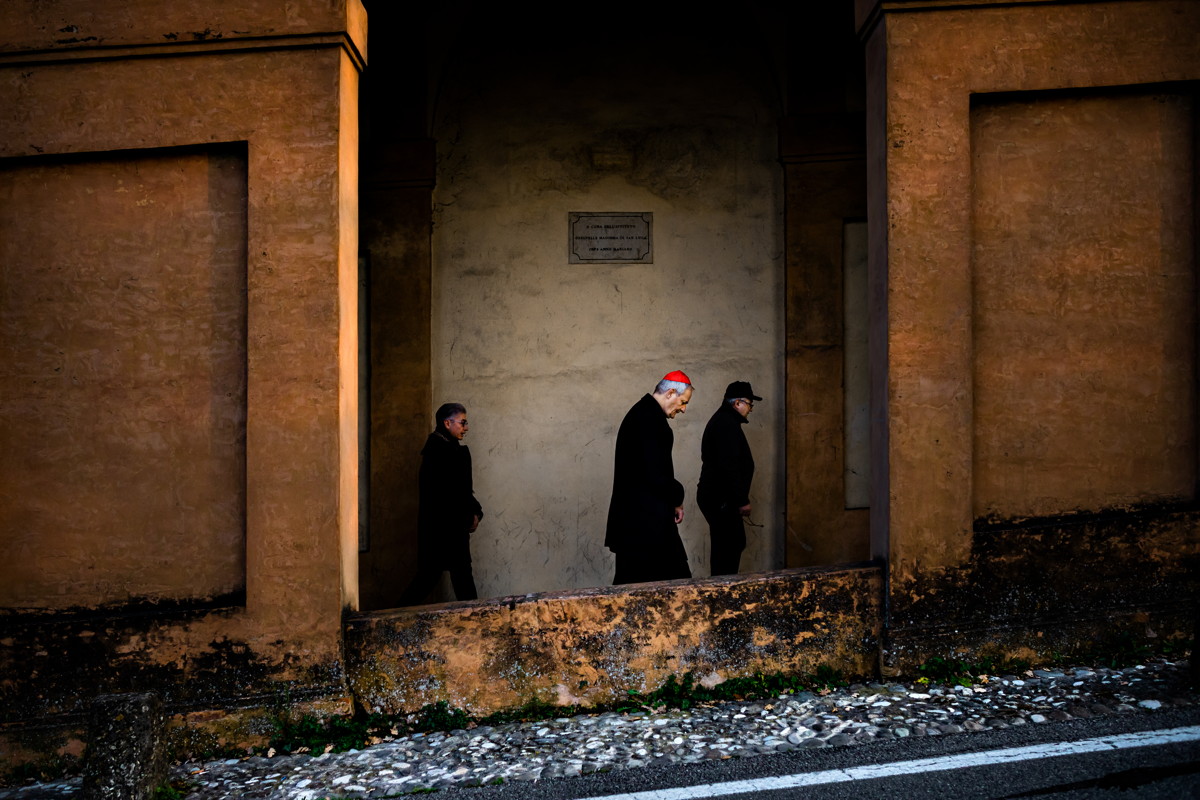
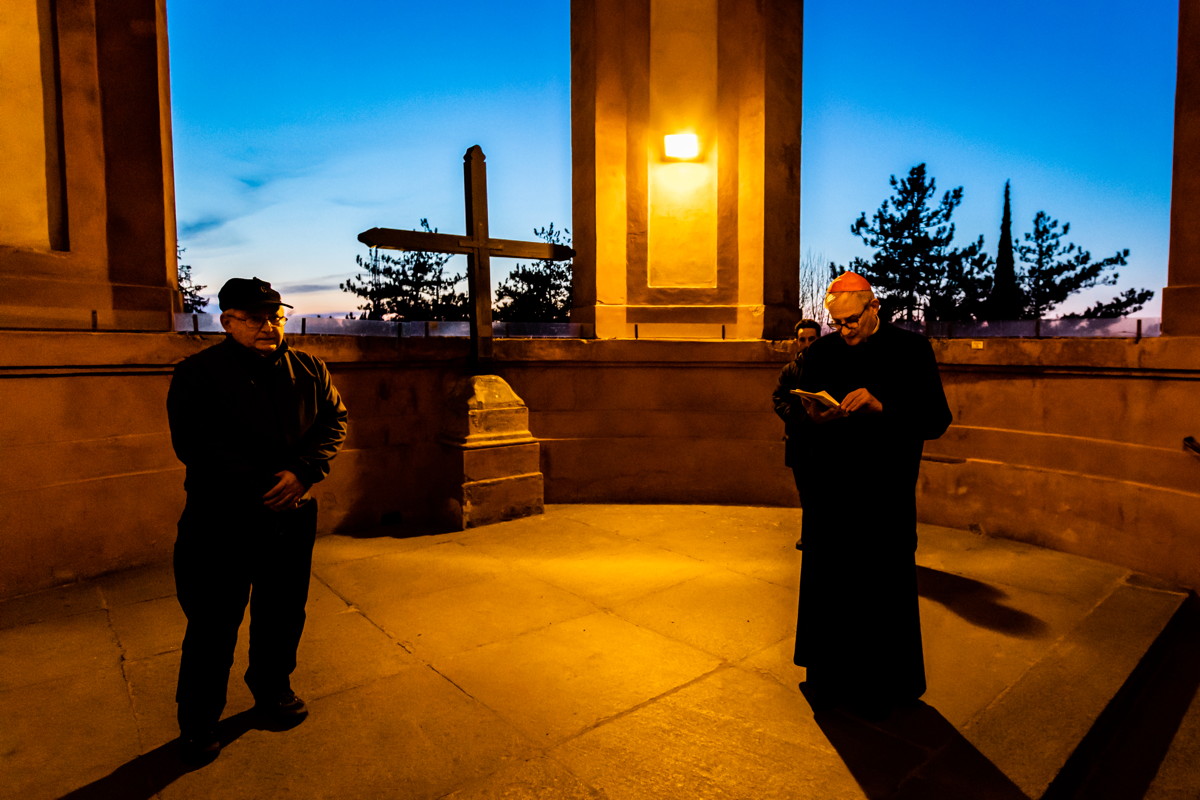
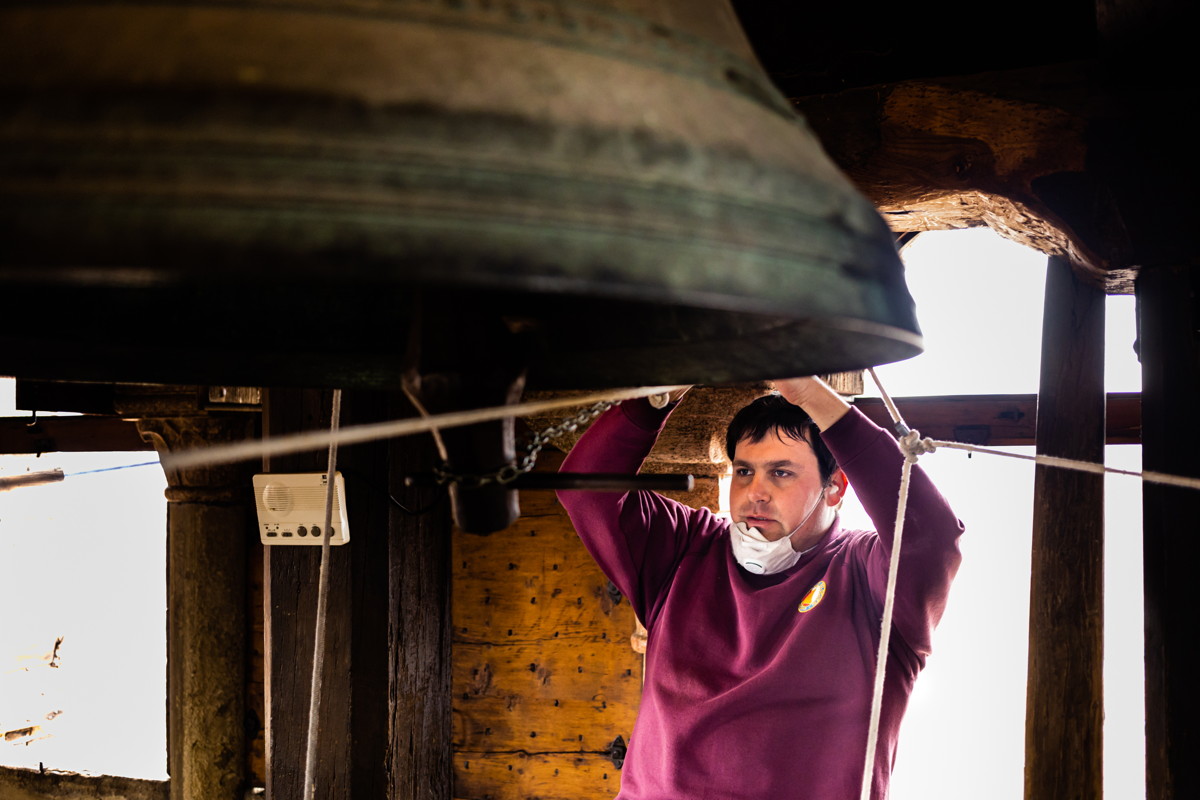
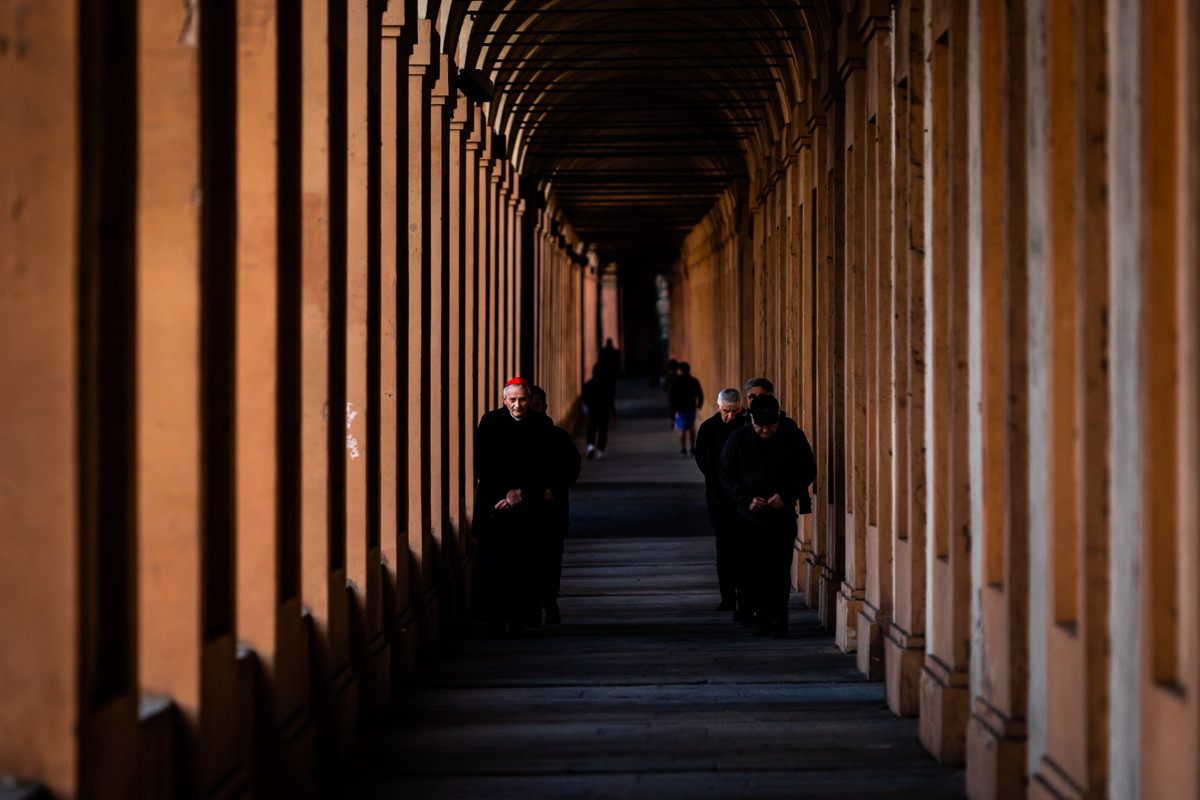
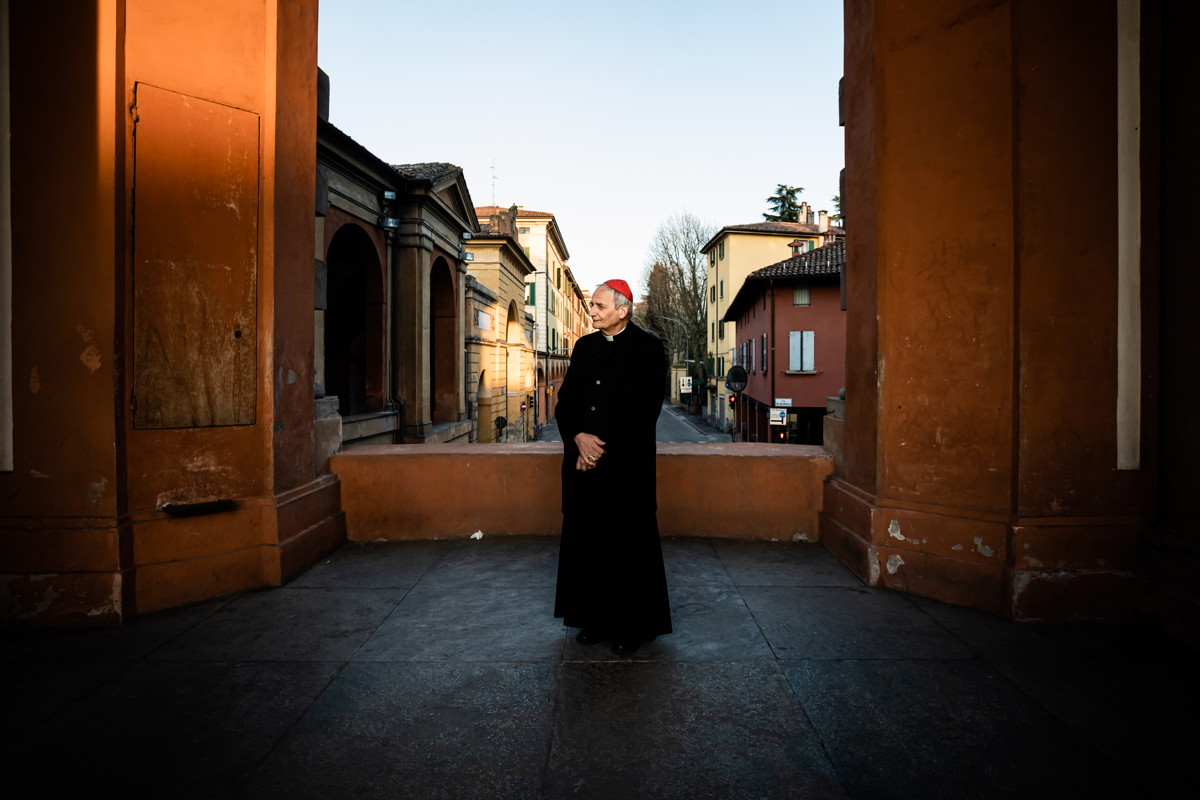
These include ordering rites to be held behind closed doors, the daily afternoon festive ringing of all bell towers across the diocese, and a solitary ascent at the end of the novena towards the Basilica della Madonna di San Luca, undertaken with a minimal delegation of aides along the six kilometres of the monumental portico to display the ancient and venerated Marian icon for the protection of the citizenship.
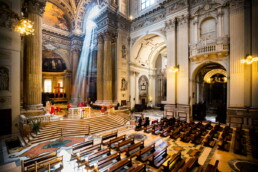
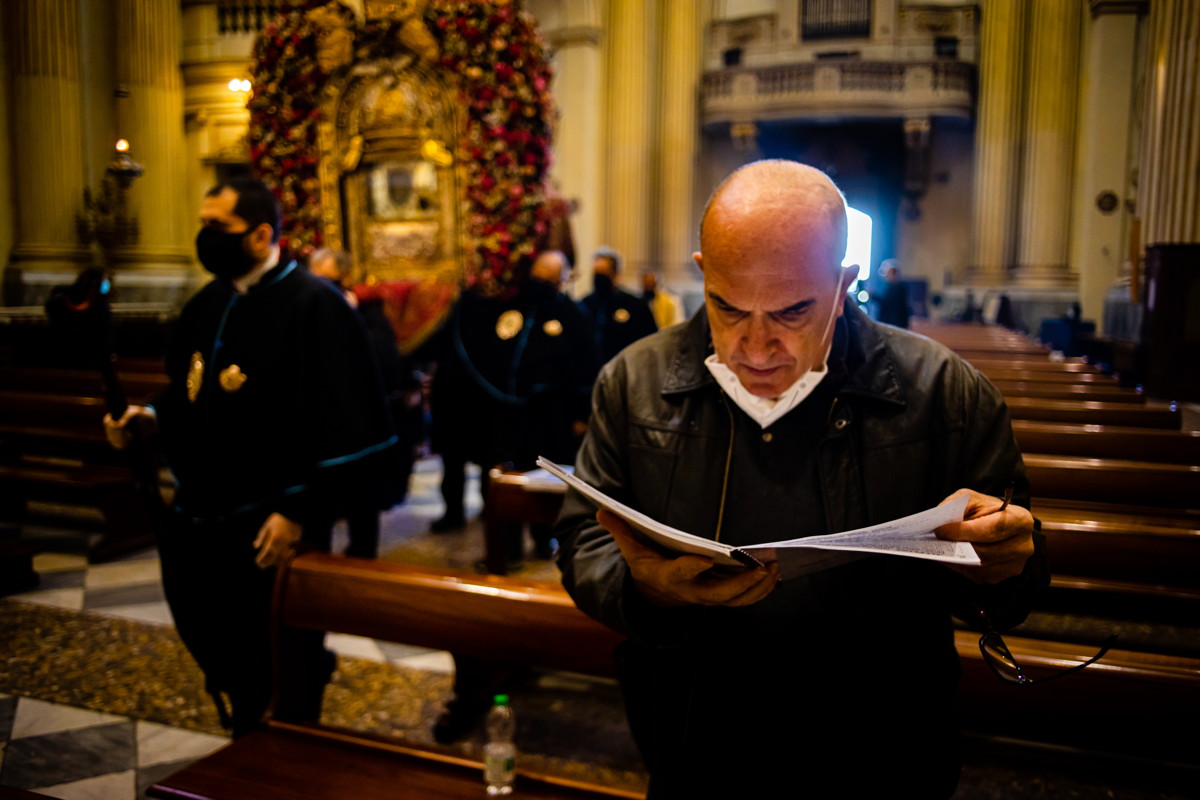
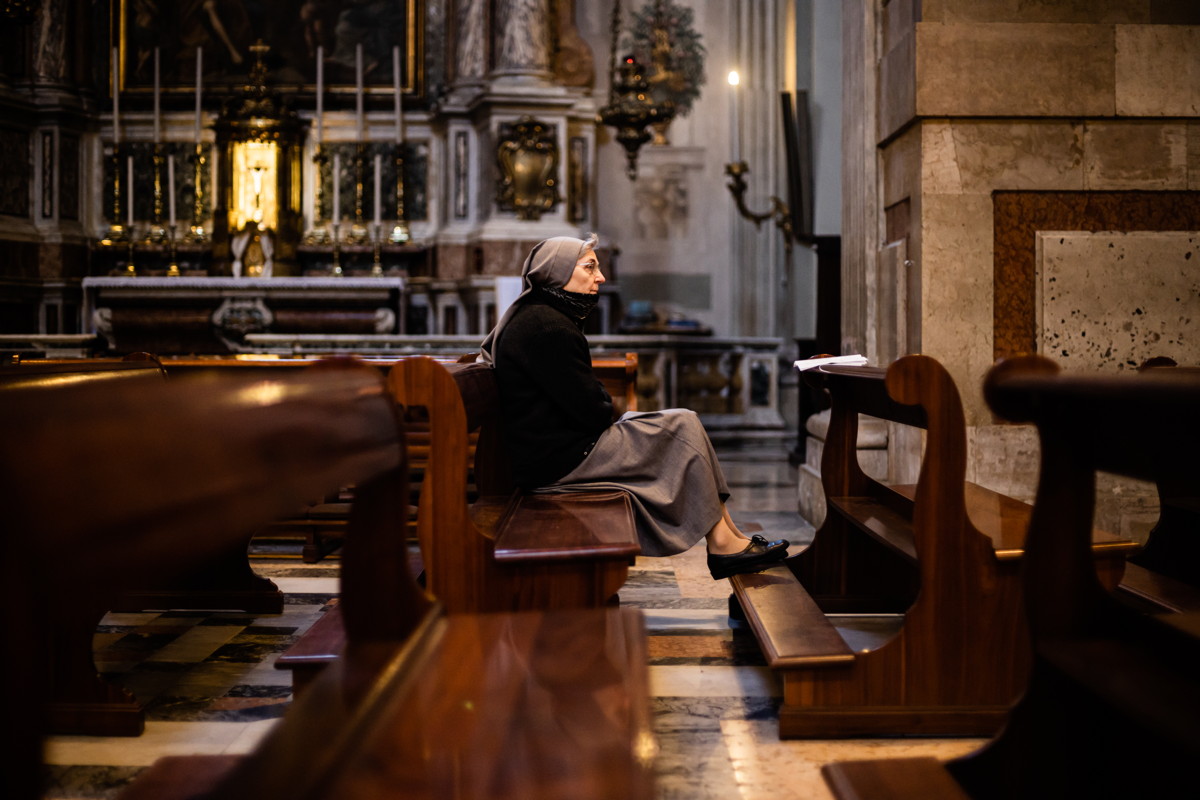
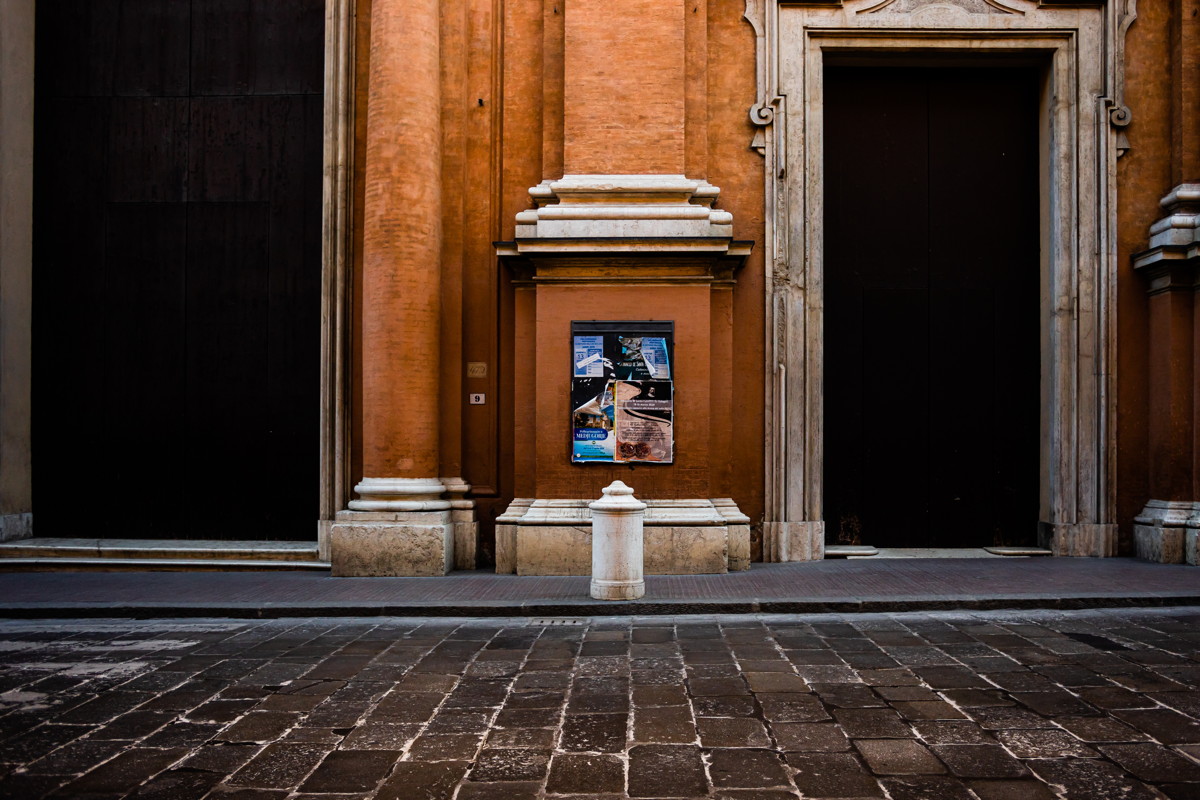
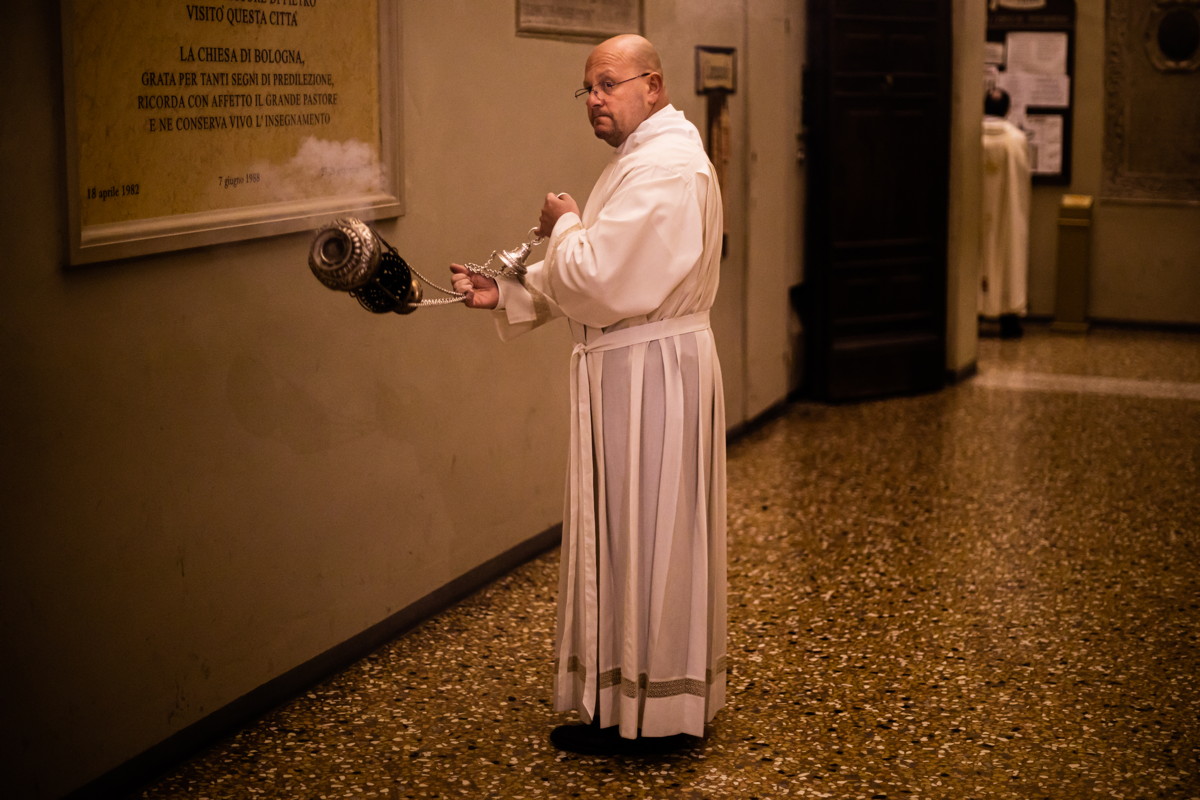
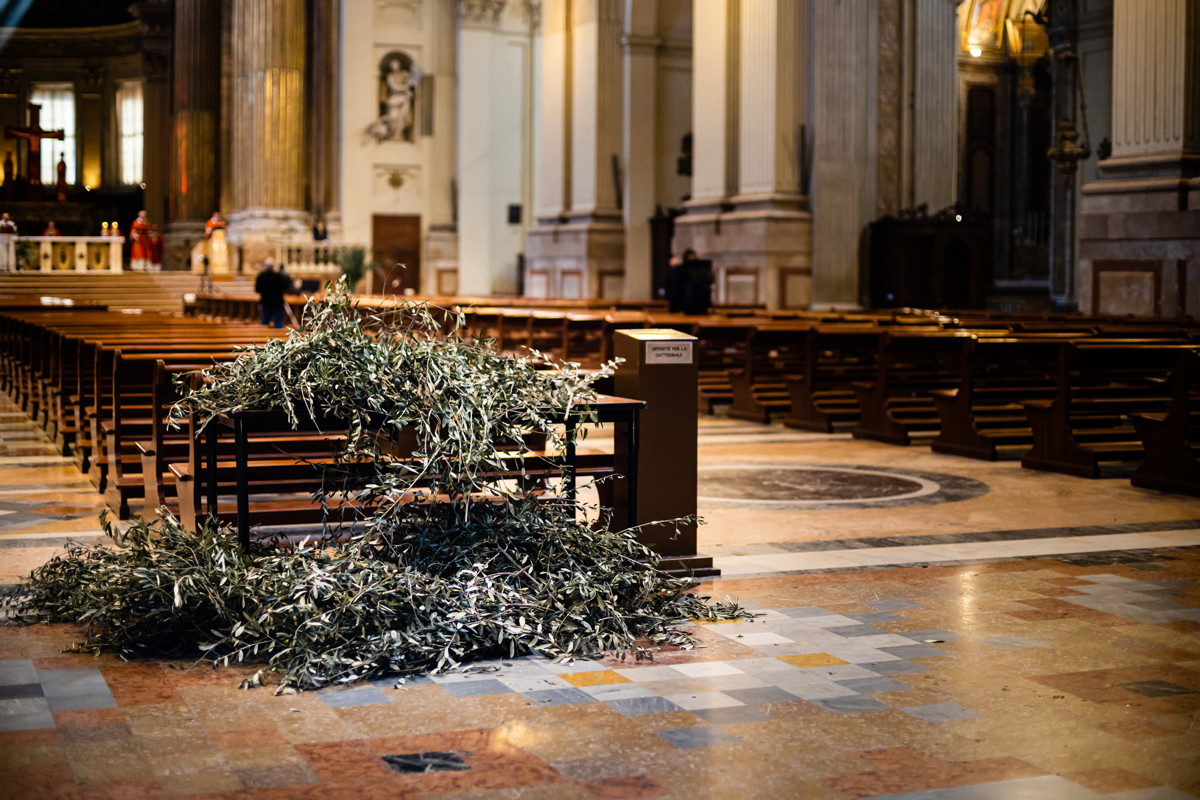
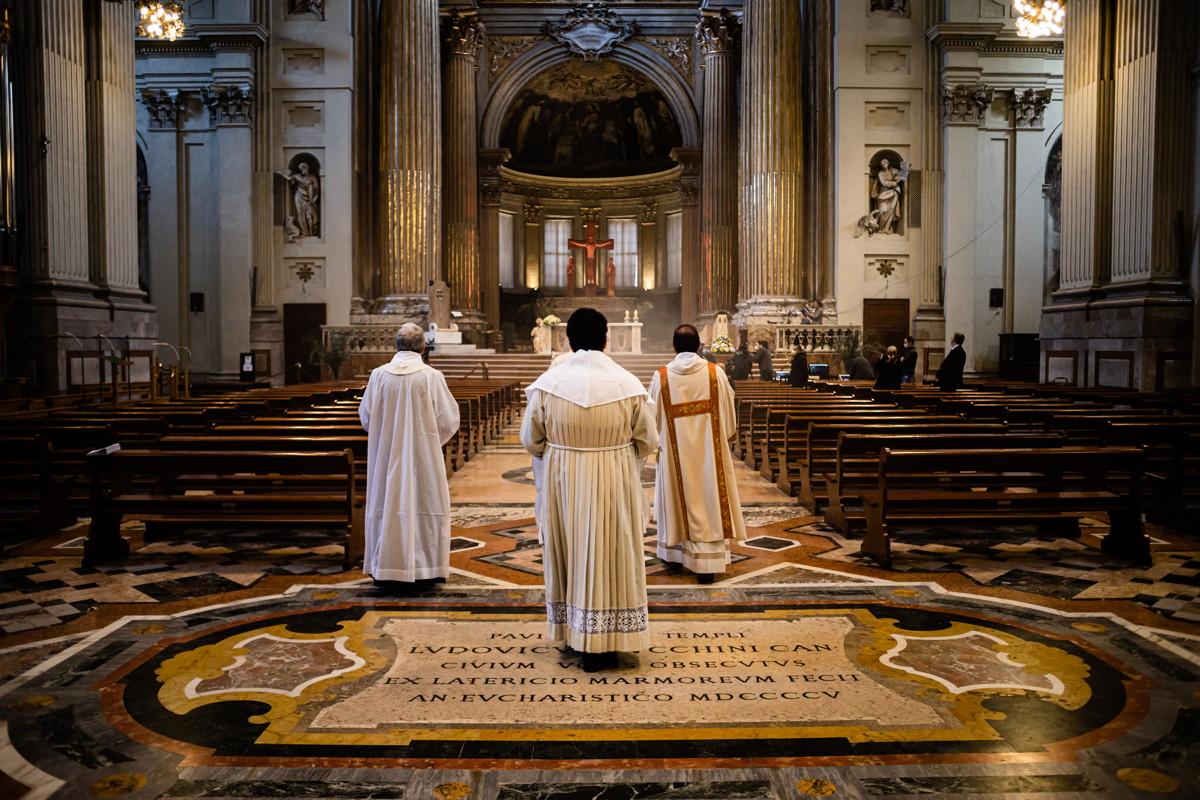
The visual narrative of the clash between the solemnity of tradition and the harshness of confinement focuses on the deserted spaces of the bolognese cathedral, where on Palm Sunday the olive branches remain piled up and unused at the back of the aisles, and where during the Easter Triduum the Archbishop officiates in absolute physical solitude, deprived of the traditional gathering and collective embrace of the population.
From a Solitary Bologna Easter to International Diplomacy
The measures Zuppi observed inside Bologna's cathedral mirrored a nationwide shutdown: Italy had imposed the first Western lockdown of the pandemic on 9 March 2020, closing churches, schools and non-essential businesses across the country, with Easter falling roughly five weeks into confinement. Public Masses had been suspended since early March, forcing dioceses nationwide to livestream services on a mass scale for the first time. The image of a cardinal alone before an empty altar became one of the defining visual motifs of Italy's pandemic spring, echoed weeks earlier by Pope Francis's own solitary Urbi et Orbi blessing in a rain-soaked, empty St Peter's Square on 27 March 2020.
Two years later, in May 2022, Zuppi was elected president of the Italian Bishops' Conference (CEI), becoming the country's most senior Catholic churchman after the Pope himself. Known locally as the "bicycling cardinal" for pedalling around Bologna rather than being driven, he built his reputation over decades within the Sant'Egidio Community, the Rome-based lay association engaged in humanitarian work and peace mediation worldwide. That background made him Pope Francis's choice, in 2023, as special envoy for peace in the war in Ukraine, taking him from the empty aisles of the Bolognese cathedral photographed here to shuttle diplomacy in Kyiv, Washington and Moscow.
The tradition Zuppi upheld in miniature that year has much older roots. Each spring since 1433, the icon has been carried down from the hilltop sanctuary to Bologna's cathedral in memory of the "miracle of the rain": weeks of torrential downpours that had threatened the harvest ended, so tradition holds, as soon as the image reached the city. The six-kilometre portico connecting the sanctuary to the city centre, the longest in the world, was itself built after a vow made by Bologna's citizens during the plague of 1630. In 2020, for the first time in living memory, the descent took place without any of the tens of thousands of Bolognesi who normally walk beneath those arches alongside it.